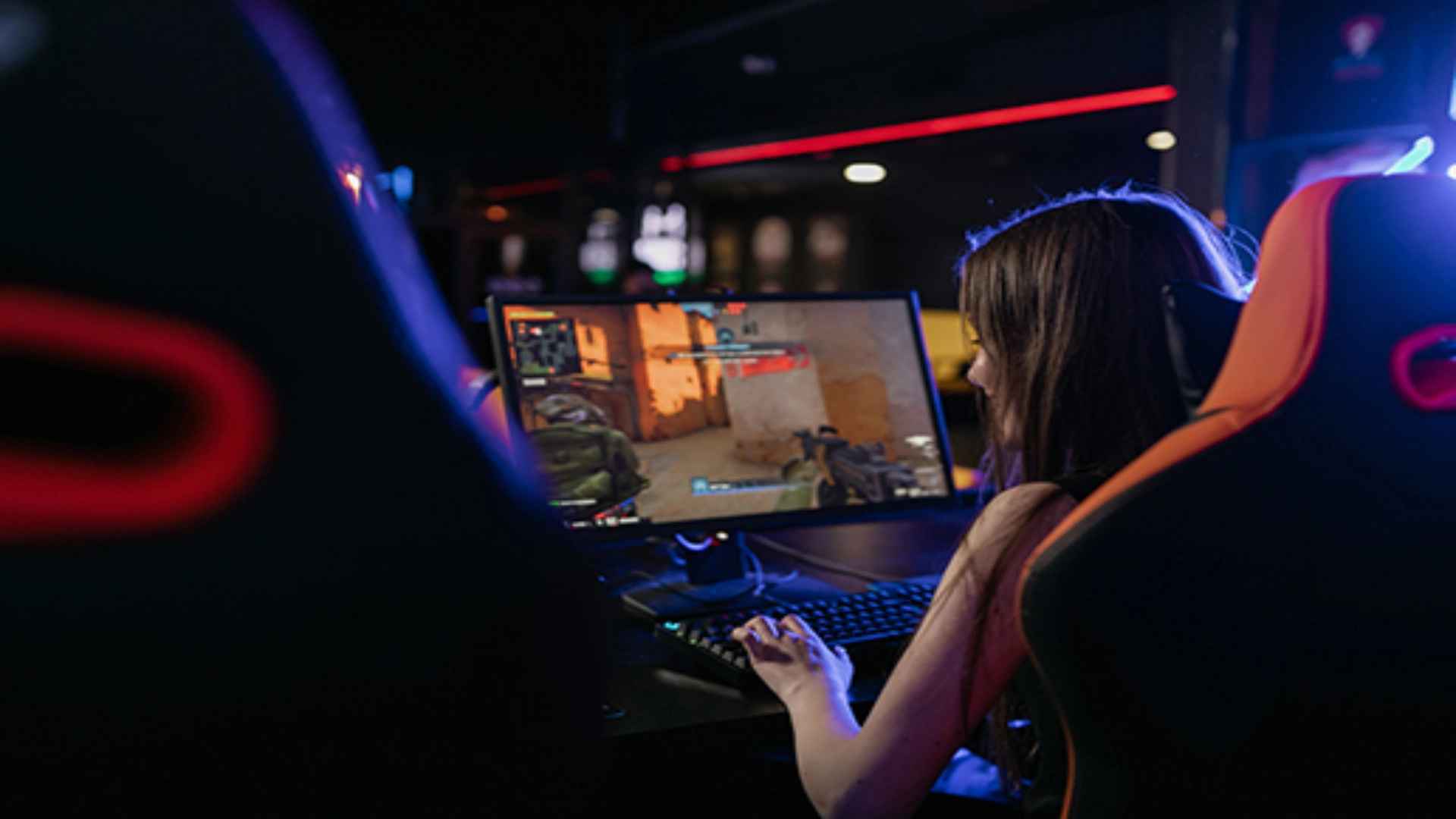
The modern gaming landscape has experienced a massive shift toward collaborative environments that challenge players to think deeply and act in unison. Instead of simply relying on individual reflexes, modern teams must build complex strategies to overcome sophisticated obstacles. This evolution has transformed digital spaces into highly engaging arenas where communication and shared victories are celebrated above all else.
The Core Elements of Modern Co-op Gaming
Successful execution in cooperative titles requires a deep understanding of team synergy and role delegation. Players must analyze their group strengths, distribute specific tactical duties, and adapt to changing conditions in real time. This dynamic structure ensures that every participant contributes significantly to the final outcome.
Furthermore, these experiences build crucial interpersonal skills like active listening and conflict resolution during high-stress encounters. Unlike traditional competitive environments where solo players can dominate, cooperative arenas demand collective problem-solving. It is this reliance on mutual support that makes the gameplay loop uniquely rewarding for diverse communities.
Strategic Coordination and Real-Time Adaptability
Advanced tactical games often incorporate multi-layered objectives that cannot be completed through brute force alone. Teams are required to synchronize their special abilities and coordinate simultaneous attacks from multiple angles. A single misstep can alter the course of a match, forcing players to quickly rethink their approach.
To explore diverse platforms that feature these engaging systems and connect with broader regional communities, enthusiasts can visit M88 asia to discover various interactive options. Engaging with these specialized hubs provides valuable insights into modern gaming trends that focus heavily on team-based execution. Developing these complex coordination skills ultimately prepares groups for more challenging scenarios.
Fostering Long-Term Community Engagement
Developers are continuously rolling out fresh content updates, seasonal events, and community-driven challenges to keep the tactical landscape alive. These regular additions ensure that veteran squads must constantly refine their established methods to stay effective. The evolving nature of these digital worlds prevents the gameplay from becoming predictable or stagnant.
Ultimately, the shared experience of overcoming difficult in-game missions helps build strong digital friendships that extend far beyond the screen. When a group successfully executes a long-planned strategy, the sense of collective achievement is unmatched. This powerful emotional connection is exactly why tactical cooperative games continue to thrive globally.