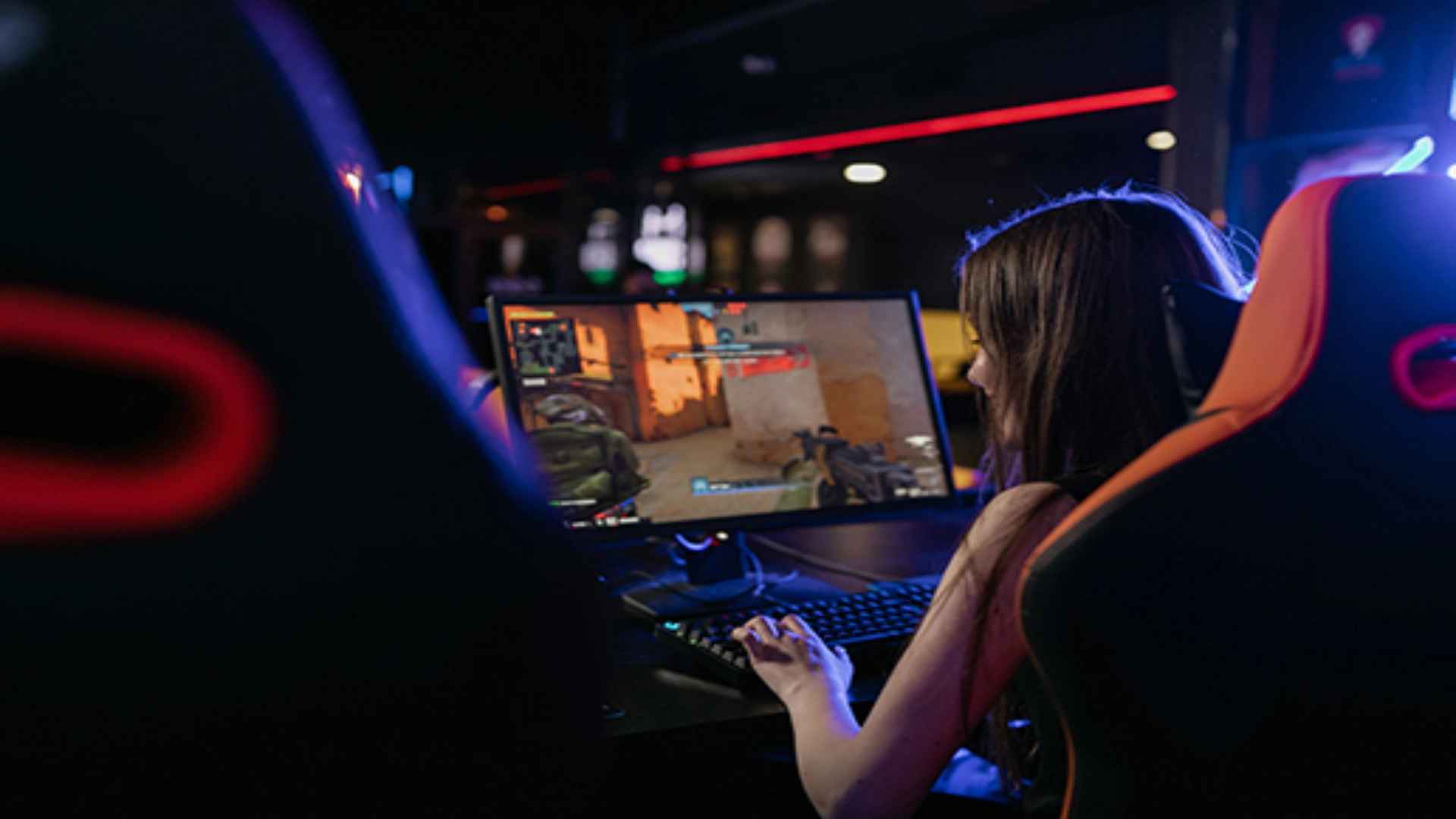
Counter-Strike 2 introduces massive upgrades to the historic tactical first-person shooter franchise, forcing competitive players to rebuild their fundamental habits. Elevating your skills in this modern arena requires a complete understanding of updated engine architectures and environmental rendering behaviors. Mastering the game demands a balanced approach combining technical mechanics, strategic positioning, and adaptive utility usage.
Mastering Sub-Tick System Movement
The implementation of modern sub-tick server registration fundamentally changes how player momentum interacts during high-stakes gunfights. Adapting to the updated inertia system requires precise directional keystrokes to ensure your crosshair stabilizes instantly. Learning how to perfectly halt character momentum determines whether your opening shots find their targets accurately.
Practicing structured movement drills inside offline training environments helps build the necessary muscle memory for competitive matchmaking. Smoothly navigating around structural corners allows you to slice the pie and isolate angles without exposing your entire character model. Fluid map traversal separates predictable target tracking from advanced positioning mastery.
Exploiting Dynamic Volumetric Smokes
Smoke grenades no longer act as simple visual screens but instead exist as physical, voxel-based volumetric clouds within the environment. Players can actively manipulate these digital barriers by firing bullets to carve out temporary vision lines against hidden opponents. Throwing standard high-explosive grenades into the cloud layer completely dissipates the smoke for a brief window.
Memorizing specific tactical lineups ensures your utility lands precisely to deny critical area access or delay aggressive enemy rushes. Understanding how light sources interact with the shifting smoke particles helps you spot protruding character silhouettes early. Mastering these dynamic physics systems allows your team to dictate the tactical pacing of every round.
Optimizing Geometry and Crosshair Placement
Maintaining disciplined crosshair placement at head level significantly reduces the physical adjustments required to neutralize an advancing target. Successful competitors actively avoid aiming at floor boundaries, choosing instead to pre-aim common defensive holding spots behind structural cover. This consistent spatial awareness minimizes overall human reaction times during sudden territorial skirmishes.
Isolating singular combat engagements prevents you from being caught exposed against multiple cross-fires simultaneously. Relying on micro-adjustments rather than large, erratic mouse swipes preserves your health pool and maximizes mechanical consistency across extended sessions. Developing a thorough knowledge of map angles transforms standard defensive holds into impenetrable blockades.
Enhancing Strategic Team Communication
Achieving victory in tactical squad environments relies heavily on delivering clear, real-time audio information to your companions. Providing concise callouts detailing enemy player counts, weapon choices, and current structural rotations allows for fluid map control adjustments. Cooperative strategic executions will routinely dismantle superior individual aim through pure positional dominance.
Maintaining absolute composure during high-pressure clutch situations prevents unforced errors and keeps team morale balanced. Analyzing recorded match demonstrations helps individual players recognize recurring positional mistakes and fix collaborative defensive holes. Investing effort into structured communication channels guarantees steady competitive advancement through the ranking ladder.